
 By Layla Isla
Exercise is often relegated to a realm of numbers and performance metrics: the number of reps, miles run, calories burned, or pounds lifted. While these elements have their place in the world of fitness, they fail to capture the full scope of what exercise truly offers. It is, at its heart, a profoundly human endeavor—a ritual that nurtures not only the body but also the mind and spirit. Exercise is a bridge between our physical existence and the ideal of personal well-being, a multifaceted practice that encompasses health, balance, and vitality. In the following exploration, we shall examine how exercise transcends mere physical activity, playing a pivotal role in the cultivation of holistic wellness.
The Evolution of Exercise: More Than a Physical Endeavor
Historically, exercise was not seen as a pastime but as a necessity. In ancient civilizations, humans exercised to survive: to hunt, to gather, to farm, to defend themselves. Physical exertion was woven into the fabric of daily life. As society evolved, however, the need for strenuous activity diminished. The advent of modern conveniences, such as transportation and labor-saving devices, meant that humans no longer had to exert themselves in the same ways as their ancestors.
Yet, this newfound comfort came with a price. Sedentary lifestyles became the norm, and with it came the rise of chronic diseases—obesity, heart disease, diabetes. Suddenly, exercise was no longer a matter of survival; it became a choice, one that we now recognize as essential to maintaining health and preventing illness. This shift has sparked a revolution of sorts, one in which exercise has moved beyond its utilitarian roots to become a symbol of self-care, discipline, and well-being.
Today, exercise is an integral part of a well-rounded, healthy lifestyle. It is no longer merely about achieving a lean physique or increasing physical endurance; it is about fostering mental clarity, emotional balance, and a sense of purpose. The connection between physical movement and overall well-being is now irrefutable, and the question is not whether one should exercise, but how to incorporate it into daily life in a way that is sustainable and beneficial for both body and mind.
The Physical Benefits: Strength, Endurance, and Vitality
The most apparent benefits of exercise lie in its ability to enhance physical health. Regular physical activity strengthens the heart, improves lung capacity, and increases muscle tone and flexibility. It helps regulate blood sugar, lowers blood pressure, and supports the immune system. It also plays a crucial role in weight management, serving as a tool for both weight loss and the maintenance of a healthy body composition.
More than just the sum of its parts, exercise increases our vitality. It cultivates a sense of well-being by releasing endorphins—often referred to as “feel-good” hormones. These natural chemicals elevate mood, reduce feelings of anxiety, and contribute to a general sense of happiness and satisfaction. This biochemical response can be so powerful that many people report experiencing what is known as the “runner’s high” after a particularly intense session of exercise.
But exercise’s impact is not limited to the immediate effects on physical appearance or mood. Over time, it enhances the efficiency of the body’s systems. For instance, cardiovascular exercise strengthens the heart muscle, making it more efficient at pumping blood throughout the body. Similarly, strength training promotes the growth of lean muscle mass, which in turn boosts metabolism and increases energy levels.
Mental and Emotional Well-being: Exercise as Therapy
While the physical benefits of exercise are widely acknowledged, it is perhaps the mental and emotional advantages that are most transformative. In a world where stress, anxiety, and depression are increasingly prevalent, exercise serves as a powerful antidote. Studies have consistently shown that regular physical activity has a profound effect on mental health, with some research indicating that it can be just as effective as medication for treating conditions like mild depression and anxiety.
One of the primary reasons exercise has such a positive effect on mental well-being is that it provides an outlet for stress. Physical activity helps to release pent-up tension, while also stimulating the production of neurotransmitters such as serotonin and dopamine—chemicals that regulate mood and emotional balance. These biochemical changes are thought to contribute to feelings of relaxation and contentment after a workout.
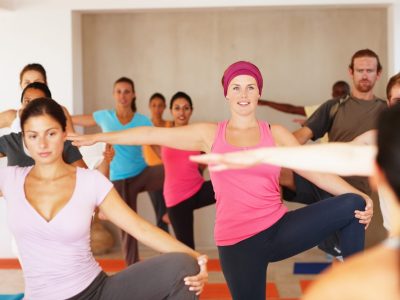
Exercise also offers a structured break from the demands of daily life. It encourages mindfulness and a focus on the present moment, whether through the rhythmic motion of running, the controlled breathing of yoga, or the meditative focus of weightlifting. In this way, exercise becomes a form of therapy, offering a space for individuals to disconnect from their worries and reconnect with their bodies.
Moreover, exercise fosters a sense of accomplishment and self-efficacy. The simple act of setting goals, whether they are related to strength, endurance, or flexibility, and achieving them builds confidence. This sense of mastery is deeply satisfying and contributes to a more positive self-image. As individuals progress in their physical pursuits, they also experience a psychological transformation, learning to trust their bodies and their ability to overcome obstacles.
The Spiritual Aspect: Finding Purpose and Connection
On a deeper level, exercise can be a spiritual practice. It is often said that the body is a temple, and caring for it through exercise is an act of reverence. Whether through yoga, tai chi, or simply mindful walking in nature, many forms of exercise encourage a connection between the body and the soul. The rhythm of movement, the focus on breath, and the engagement with one’s surroundings can foster a sense of peace and transcendence.
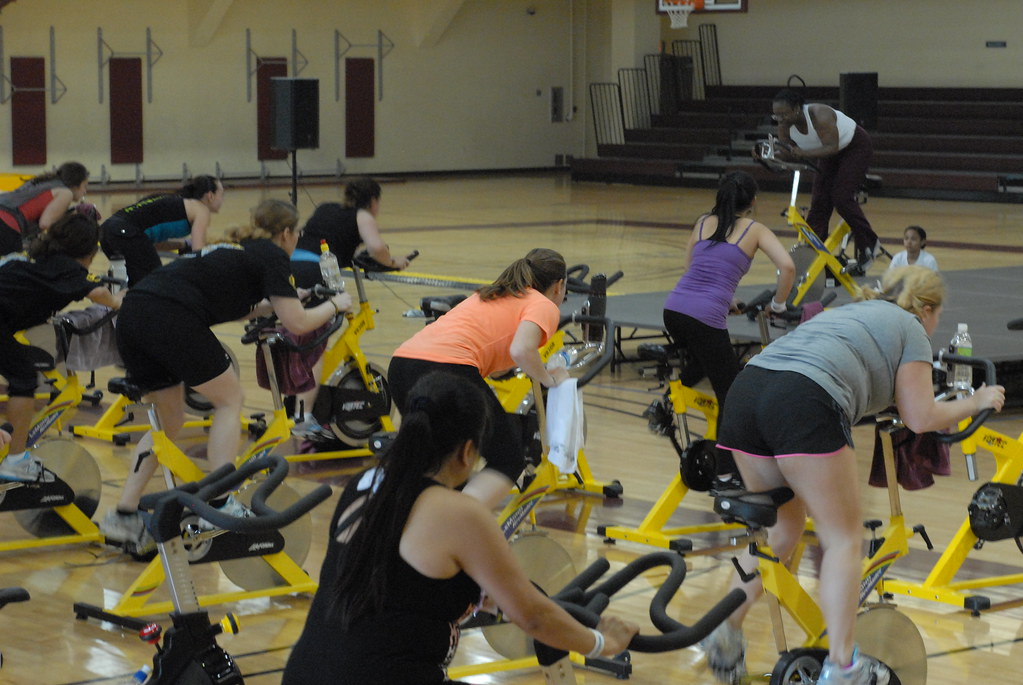
For some, exercise becomes a form of meditation in motion. The repetition of movement—whether it’s running, swimming, or cycling—provides an opportunity to clear the mind and attune oneself to the present moment. In this state of flow, individuals may experience a sense of unity between their physical form and the world around them, cultivating a deep sense of inner peace.
Additionally, the social aspect of exercise cannot be overlooked. Many individuals find meaning and connection through group workouts, sports, or fitness communities. Exercise, in this sense, becomes a means of forging relationships and building camaraderie. These social bonds further enrich the experience of movement, transforming it into an opportunity for personal growth and collective well-being.
The Path to Consistency: Making Exercise a Lifelong Practice
The most challenging aspect of exercise, for many, is maintaining consistency. In a world filled with distractions and competing demands on time, it is easy to let exercise slip to the bottom of the priority list. However, the key to long-term success lies in finding an approach to exercise that is enjoyable, sustainable, and aligned with personal goals.
A variety of activities, from high-intensity interval training (HIIT) to leisurely walks in nature, can provide significant benefits. It is essential to experiment with different forms of exercise to find what resonates. Once this connection is made, exercise becomes not just a habit, but a source of joy—a celebration of the body’s potential rather than a chore.
Moreover, it is crucial to listen to one’s body. The pursuit of fitness should be balanced with rest and recovery, for overtraining can lead to burnout or injury. Understanding the body’s limits, respecting them, and approaching exercise with a mindset of balance and patience ensures that physical activity becomes a lifelong practice rather than a fleeting phase.
Conclusion: A Journey, Not a Destination
Exercise, in its fullest sense, is not a task to be completed or a goal to be attained; it is a lifelong journey, one that evolves as we grow and change. It is a tool for cultivating a life that is not just healthy but rich with meaning, purpose, and connection. Whether through physical strength, mental clarity, or emotional resilience, exercise invites us to explore the full potential of our bodies and minds.
In embracing exercise as an integral part of life, we align ourselves with the timeless truth that movement is not just a means to an end but a way of being—a way to honor our bodies, to foster our well-being, and to enrich our experience of life itself. In this sense, the pursuit of fitness becomes far more than just physical exertion; it becomes a celebration of the human spirit.