 By Layla Isla
Your skin is often the first place to reveal what’s happening inside your body. Every puff of a cigarette sends a wave of toxins through your bloodstream, and your skin pays the price long before your lungs do. If you’ve noticed dullness, fine lines creeping in earlier than expected, or a complexion that just doesn’t bounce back the way it used to, smoking could be quietly working against you. Let’s explore how cigarettes change your skin and what happens once you decide to quit.
What Smoking Really Does to Your Skin
Cigarette smoke contains thousands of chemicals, and many of them directly attack the very things that keep skin looking healthy. The smoking effects on skin go far beyond cosmetic concerns. Here’s what’s actually happening beneath the surface:
- Reduced blood flow: Nicotine narrows the tiny blood vessels in your outer skin layers. Less blood means less oxygen and fewer nutrients reaching your skin cells, which leaves your complexion looking pale, grey, or tired.
- Collagen and elastin breakdown: Smoking accelerates the loss of collagen and damages elastin fibres. These are the proteins that keep your skin firm, plump, and bouncy. Without them, wrinkles, and sagging show up faster.
- Free radical overload: The toxins in smoke flood your body with free radicals, unstable molecules that damage healthy skin cells and speed up ageing.
- Slower healing: Cuts, acne marks, and surgical wounds take longer to heal in smokers because the skin’s repair system is constantly fighting an uphill battle.
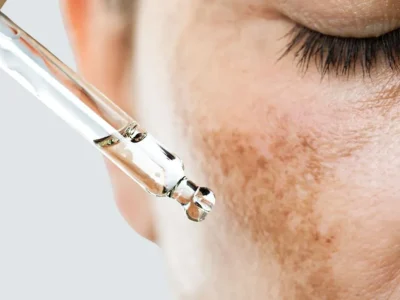
The visible result? Smoker’s lines around the lips, crow’s feet, uneven skin tone, deeper creases, and a complexion that often looks years older than it actually is.
Effects on Oral and Facial Appearance
The impact of smoking extends beyond the skin itself. Tobacco use can affect overall facial appearance through changes such as:
- Yellowing of teeth
- Staining of fingers and nails
- Darkening around the lips
- Loss of facial volume due to accelerated ageing
Together, these changes can contribute to an older appearance over time.
The Benefits of Quitting Smoking for Your Skin
The good news is that positive changes can begin after smoking cessation. Once smoking stops, blood circulation gradually improves, allowing more oxygen and nutrients to reach skin tissues. While existing wrinkles may not completely disappear, the skin often appears healthier, brighter, and more hydrated over time.
Improved circulation can also support the skin’s natural repair processes and contribute to a more even complexion. Many former smokers report that their skin looks fresher and more vibrant within months of quitting.
Supporting Smoking Cessation
Quitting smoking can be challenging due to nicotine dependence, but various smoking cessation strategies may help individuals manage cravings and stay committed to their goals. Nicotine replacement therapies, behavioural support, and lifestyle changes can all play a role in making the quitting process more manageable.
Conclusion
Smoking affects much more than internal health; it can also have a noticeable impact on the skin. From premature wrinkles and uneven skin tone to slower healing and reduced skin vitality, the effects often become visible over time. By choosing to quit smoking, individuals not only support their overall well-being but also give their skin the opportunity to recover, rejuvenate, and maintain a healthier appearance for years to come.