 By Layla Isla
Life in Singapore has become increasingly desk-bound, with long office hours, remote work setups, and constant digital engagement. This modern lifestyle has led to a surge in postural issues, back pain, and weak core muscles. For many, these problems eventually affect productivity, confidence, and overall health. The solution is not only about sitting less but also about moving in ways that restore alignment and strengthen stability. This is where fitness hiit training plays an important role. It combines time-efficient workouts with functional exercises that directly counteract the negative effects of prolonged sitting.
The Desk-Bound Problem in Singapore’s Workforce
Singapore’s professional culture is driven by efficiency, but this often comes at the expense of movement. Workers spend long hours in front of screens, often in poorly supported chairs, leading to rounded shoulders, tight hips, and weak lower backs. Over time, this posture contributes to chronic discomfort and makes even simple movements harder. Students and young adults are also at risk due to extended study hours and digital device usage. Without intervention, these issues compound into long-term musculoskeletal problems.
Why Posture and Core Stability Matter
Posture is more than just standing tall. It reflects the body’s ability to align itself in ways that minimise strain on muscles and joints. Poor posture not only causes back and neck pain but also limits lung capacity, reduces circulation, and affects confidence. The core, often misunderstood as just the abdominal muscles, actually includes the lower back, hips, and pelvis. A strong core supports the spine, balances the body, and enables efficient movement. For desk-bound individuals, addressing posture and core stability is essential for preventing injuries and maintaining long-term health.
How HIIT Supports Postural Correction
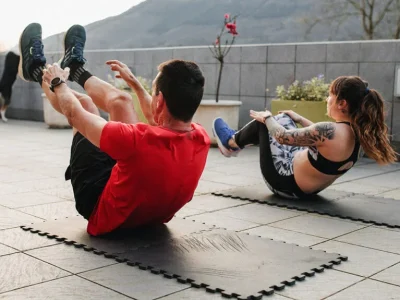
Fitness HIIT training addresses postural imbalances through dynamic movements that engage multiple muscle groups. Instead of isolating muscles, HIIT exercises integrate core engagement with functional strength. For example, planks, burpees, and mountain climbers target abdominal stability while also working shoulders and hips. Squats and lunges strengthen glutes and hamstrings, which are often underused in sedentary lifestyles. The intensity of HIIT ensures these muscles are activated repeatedly in short bursts, retraining the body to hold itself in healthier alignment.
Strengthening the Core with HIIT
HIIT is uniquely effective for core stability because of its emphasis on power and control. Many high-intensity exercises demand strong core engagement to maintain balance and form. Jump squats, push-ups, and kettlebell swings all require the core to stabilise the body. By repeatedly challenging the core during short intervals, HIIT builds endurance and strength in muscles that support the spine. A strong core translates to better sitting posture at work, reduced lower back pain, and improved confidence in daily movements.
Combating the Effects of Sedentary Living
Prolonged sitting shortens the hip flexors and weakens the glutes, creating an imbalance that affects the spine. HIIT routines can be customised to target these weak points. Exercises like high knees, step-ups, and lunges open up the hips while strengthening glutes and hamstrings. Paired with core-focused moves, these routines correct the muscular imbalances caused by long desk hours. Over time, this reduces the slouching posture many office workers struggle to fix.
Time Efficiency for Busy Professionals
The appeal of HIIT lies in its ability to deliver results quickly. For professionals in Singapore who feel pressed for time, 20 minutes of targeted HIIT can undo hours of sedentary strain. A carefully designed routine that emphasises core activation and postural alignment is far more effective than occasional stretching. With consistency, these short sessions accumulate into lasting changes, allowing individuals to feel more energised and less burdened by stiffness during the workday.
Mental Benefits of Correcting Posture with HIIT
Posture influences not only physical health but also mental wellbeing. Standing taller and moving with confidence improves mood and creates a positive self-image. For many professionals, this can translate into greater confidence during presentations and meetings. Additionally, exercise-induced endorphins from HIIT alleviate stress and mental fatigue, while better posture supports deeper breathing and increased energy. This holistic improvement in body and mind makes HIIT especially valuable in Singapore’s demanding corporate culture.
Real-Life Scenarios: HIIT in the Office Lifestyle
-
Executive with back pain: A 40-year-old professional attending three HIIT sessions weekly finds reduced lower back pain and better sitting posture during long board meetings.
-
Student with study fatigue: A university student uses short HIIT bursts between study sessions, noticing improved concentration and less stiffness after long revision hours.
-
Work-from-home professional: Someone working remotely combines HIIT with ergonomic setups, achieving both stronger core stability and fewer complaints of neck pain.
These examples show how HIIT adapts to the needs of different desk-bound individuals in Singapore.
Group HIIT Classes for Accountability
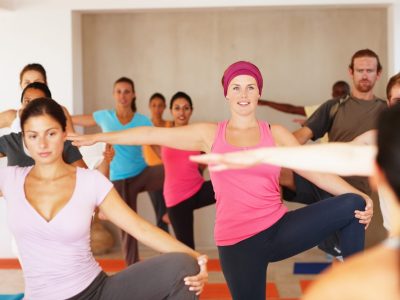
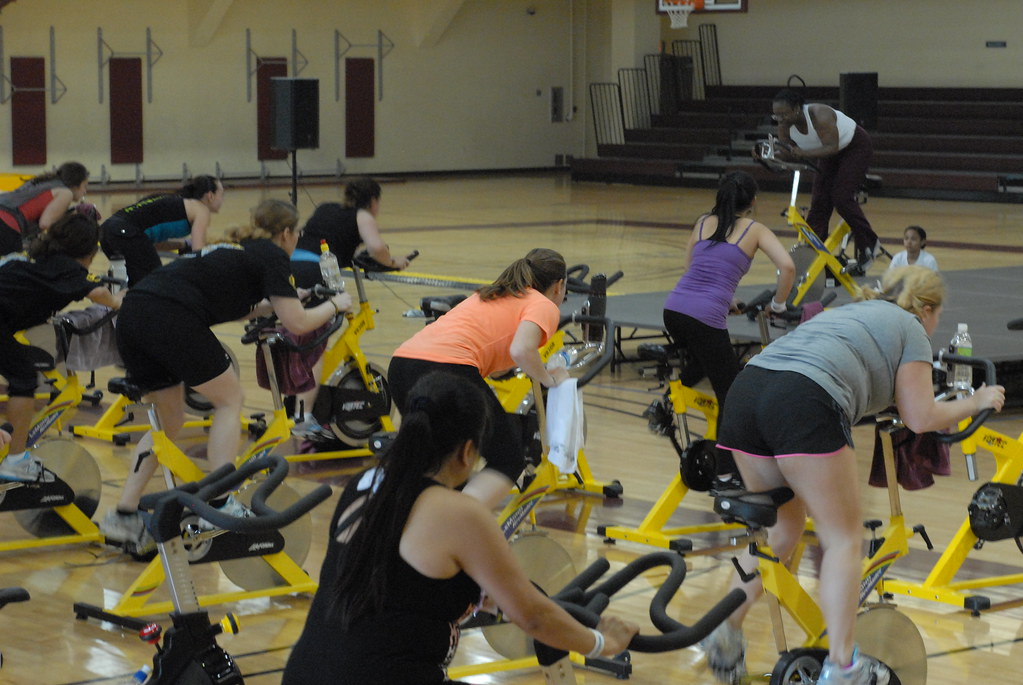
While HIIT can be done at home, many people benefit from group settings where trainers focus on form. At facilities such as TFX, structured group HIIT classes help correct alignment errors and ensure core muscles are engaged properly. This professional guidance is especially important for beginners who may not be aware of postural weaknesses. Training in a community also adds motivation and accountability, making it easier to stay consistent.
Practical HIIT Moves for Posture and Core Stability
-
Plank variations: Engage deep core muscles for spinal support.
-
Squat jumps: Strengthen glutes and quads while opening the hips.
-
Mountain climbers: Improve coordination and core endurance.
-
Reverse lunges with twist: Target glutes and obliques while stretching hip flexors.
-
Burpees: Combine cardiovascular endurance with full-body strength.
These exercises can be tailored to intensity levels, ensuring accessibility for beginners while challenging advanced participants.
Long-Term Payoffs for Desk-Bound Individuals
Consistent HIIT training builds resilience against the damaging effects of sedentary living. Improved posture reduces reliance on pain medication and physiotherapy, saving both time and costs. Stronger core stability enhances performance in recreational sports, from tennis to dragon boating, which are popular in Singapore. Perhaps most importantly, these improvements lead to higher quality of life, where movement feels natural and pain-free even after years in a desk-bound lifestyle.
Practical Tips for Getting Started
-
Begin with two 20-minute HIIT sessions per week, focusing on core exercises.
-
Invest in proper footwear to support dynamic movements.
-
Complement HIIT with mobility drills like yoga stretches.
-
Listen to your body and scale intensity as needed.
-
Track posture improvements by checking alignment in mirrors or photos over time.
FAQs on Fitness HIIT Training for Posture and Core Stability
Q. Can HIIT worsen back pain if not done correctly?
If performed with poor form, HIIT may strain the back. However, with proper guidance and core activation, it strengthens the spine and alleviates back issues.
Q. How quickly can desk-bound individuals see results?
Most people report reduced stiffness and better posture within four to six weeks of consistent training. Long-term improvements are visible with continued effort.
Q. Are there low-impact HIIT options for people with joint issues?
Yes, routines can include exercises like stationary cycling intervals, low-step lunges, and modified planks that protect the joints while engaging the core.
Q. Is HIIT better than stretching for posture correction?
Stretching helps temporarily but does not build strength. HIIT strengthens the muscles responsible for alignment, creating long-lasting postural improvements.
Q. Can HIIT be done during work breaks?
Absolutely. Even 10-minute micro-HIIT sessions during lunch or short breaks can activate the core and reset posture, providing benefits without disrupting schedules.