 By Layla Isla
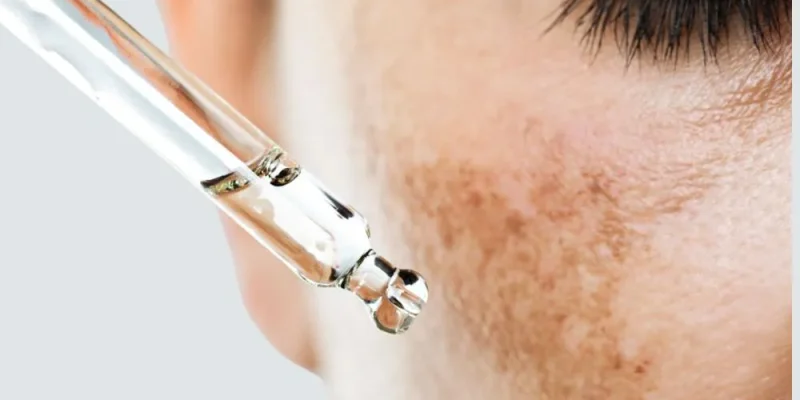
Hyperpigmentation is one of the most common skin concerns across all ages and skin tones. It appears as darkened patches or spots that disrupt an otherwise even complexion, often lingering long after the original trigger has passed. While hyperpigmentation is not harmful, it can affect confidence and make skin look uneven or dull. Understanding what causes it and how topical solutions work can help you make informed choices and manage pigmentation more effectively.
This article explores the science behind hyperpigmentation, the factors that trigger it, and how targeted creams help restore a more balanced skin tone over time.
Understanding Hyperpigmentation
Hyperpigmentation occurs when certain areas of the skin produce excess melanin. Melanin is the pigment responsible for skin color and acts as a natural defense mechanism against environmental stressors, especially ultraviolet radiation.
How Melanin Becomes Uneven
Under normal conditions, melanin is evenly distributed throughout the skin. When the skin experiences stress or injury, melanocytes can become overstimulated. This leads to localized melanin buildup, which appears as darker patches on the surface.
These patches can vary in size, depth, and intensity depending on the cause and how long the skin has been affected.
Common Types of Hyperpigmentation
Not all dark spots are the same. Some develop from sun exposure, others from inflammation, and some are linked to hormonal changes. Identifying the underlying type helps determine how long correction may take and what approach is most effective.
What Causes Hyperpigmentation
Hyperpigmentation is often the result of a combination of internal and external factors rather than a single cause.
Sun Exposure and UV Damage
Sun exposure is the most common trigger of hyperpigmentation. Ultraviolet rays stimulate melanin production as a protective response. Over time, repeated exposure causes melanin to cluster in certain areas, leading to sunspots and uneven tone.
Even brief daily exposure can contribute to pigmentation if the skin is unprotected.
Inflammation and Skin Trauma
Inflammation plays a major role in hyperpigmentation. Acne, rashes, cuts, burns, and even aggressive skincare treatments can cause the skin to darken as it heals. This is often referred to as post inflammatory pigmentation.
The darker the natural skin tone, the more likely inflammation is to leave behind visible marks.
Hormonal Changes
Hormonal fluctuations can increase melanin activity, especially during pregnancy or periods of hormonal imbalance. These changes often result in symmetrical patches of discoloration on the face that can be persistent without targeted care.
Aging and Slower Cell Turnover
As skin ages, the natural process of cell renewal slows down. Pigmented cells remain on the surface longer, making dark spots more noticeable and slower to fade.
Environmental and Lifestyle Factors
Pollution, stress, lack of sleep, and poor skin habits can weaken the skin barrier and increase inflammation. Over time, these factors can worsen pigmentation and make correction more difficult.
Why Hyperpigmentation Can Be Difficult to Fade
One of the reasons hyperpigmentation is challenging to treat is that melanin production occurs at deeper levels of the skin.
Depth of Pigment Matters
Surface level pigmentation tends to fade faster, while deeper pigmentation can take months to improve. This is why consistent care is emphasized rather than quick fixes.
Ongoing Triggers
Without addressing the triggers such as sun exposure or irritation, dark spots can continue to form even while treatment is underway. This creates the impression that nothing is working when, in reality, the skin is constantly being re triggered.
How Creams Help Correct Hyperpigmentation
Topical treatments play a central role in managing pigmentation. A well formulated hyperpigmentation cream works by addressing both existing discoloration and the processes that cause new spots to form.
Regulating Melanin Production
Many creams focus on calming overactive melanocytes. By slowing down excess melanin production, these formulations help prevent dark areas from becoming darker while supporting gradual fading.
Supporting Skin Renewal
Some creams encourage healthy cell turnover. As pigmented surface cells shed naturally, newer and more evenly toned cells rise to the surface. This process helps soften the appearance of dark spots over time.
Reducing Inflammation
Since inflammation is a key trigger of pigmentation, soothing the skin is essential. Creams that support barrier repair and calm irritation create an environment where melanin behaves more predictably.
Improving Overall Skin Health
Healthy skin responds better to treatment. Hydration, barrier support, and antioxidant protection all contribute to improved tone and resilience, making correction more effective and sustainable.
Where Hyperpigmentation Cream Fits Into a Routine
A hyperpigmentation cream is most effective when used as part of a consistent daily routine rather than as a standalone solution.
Consistency Over Speed
Dermatologists often emphasize that visible improvement takes time. Using a targeted cream consistently allows the skin to respond gradually without triggering irritation.
Layering With Care
Applying too many active treatments at once can overwhelm the skin. A focused routine that allows the cream to work without interference often leads to better results.
Sun Protection Is Essential
Without sun protection, pigmentation treatments are significantly less effective. Ultraviolet exposure can quickly undo progress by reactivating melanin production, even on cloudy days.
How Long Does It Take to See Results
Hyperpigmentation does not disappear overnight, and expectations should reflect the skin’s natural pace of renewal.
Early Signs of Improvement
Initial changes often include a more even overall tone and slightly lighter edges around dark spots. These subtle improvements indicate that the skin is responding.
Gradual Fading Over Time
More noticeable fading usually occurs over several weeks to months, depending on the depth and cause of the pigmentation. Older or deeper spots may require extended care.
When Progress Slows
If results plateau, adjusting application frequency or simplifying the routine may help. In some cases, professional guidance can provide clarity on next steps.
Common Mistakes That Worsen Hyperpigmentation
Certain habits can slow progress or make pigmentation worse.
Over Treating the Skin
Using harsh treatments too frequently can lead to irritation, which triggers more melanin production. Gentle and steady care is more effective than aggressive approaches.
Ignoring Skin Type
Different skin types respond differently to treatments. What works well for one person may cause irritation for another, especially for sensitive or melanin rich skin.
Expecting Instant Results
Many people abandon treatments too early. Understanding that pigmentation correction is a gradual process helps maintain realistic expectations.
Choosing an Effective Approach
While many people search for the best products for dark spots, professionals often emphasize approach over labels. Understanding ingredients, maintaining consistency, and protecting the skin are more important than chasing fast acting solutions.
Targeted creams work best when they are part of a thoughtful routine that respects the skin’s natural processes.
Final Thoughts on Correcting Hyperpigmentation
Hyperpigmentation is a complex condition influenced by sun exposure, inflammation, hormones, and lifestyle factors. While it can be persistent, it is also manageable with the right knowledge and habits.
A well designed hyperpigmentation cream helps by regulating melanin, supporting renewal, and calming the skin. When combined with sun protection and consistent care, these treatments can gradually restore a more even and radiant complexion.
By understanding what causes hyperpigmentation and how topical solutions work, you can take control of your skincare journey and make informed decisions that support long term skin health.