 By Layla Isla
The global dietary supplement industry has grown into a multi-billion-dollar juggernaut, offering consumers everything from everyday multivitamins and botanical extracts to specialized sports nutrition powders and cognitive enhancers. For many individuals, these products represent a proactive commitment to health, longevity, and physical optimization. We walk down the aisles of health food stores or browse digital marketplaces, trusting that the labels on the bottles accurately reflect what we are putting into our bodies.
However, behind the glossy packaging and sophisticated marketing campaigns lies a complex and highly fragmented regulatory reality. Unlike prescription medications, which must undergo rigorous clinical trials and stringent approval processes before reaching the public, dietary supplements operate in an entirely different regulatory landscape. This systemic gap creates an environment where product quality, active ingredient purity, and baseline safety vary wildly from one brand to the next. Navigating this landscape requires pulling back the curtain on how supplements are manufactured, regulated, and verified.
The Regulatory Gap and the Illusion of Safety
To understand the critical necessity of third-party testing, consumers must first understand the legal framework governing dietary supplements in the United States. The primary legislation regulating these products is the Dietary Supplement Health and Education Act of 1994.
This law created a unique regulatory classification for supplements, placing them under the overarching umbrella of food rather than drugs. The most significant consequence of this classification is that dietary supplements do not require pre-market approval from the Food and Drug Administration. Under this framework, a manufacturer can formulate a new product, design a label, and begin selling it to consumers without proving to any regulatory agency that the product is effective, stable, or even safe.
The Food and Drug Administration is primarily a post-market regulatory body when it comes to supplements. This means the agency can only step in and take enforcement action, issue warning letters, or mandate product recalls after a product has hit the market and has been shown to be misbranded, contaminated, or linked to adverse health events. While the agency requires manufacturers to adhere to Current Good Manufacturing Practices, the sheer volume of supplement facilities worldwide makes routine, comprehensive physical inspections mathematically impossible. Consequently, the burden of ensuring quality falls almost entirely on the honor system of the manufacturer.
Hidden Dangers: Contamination, Adulteration, and Label Inaccuracy
This post-market enforcement structure opens the door to three primary quality control failures that plague the supplement marketplace: accidental contamination, intentional adulteration, and blatant label inaccuracy.
Heavy Metal and Microbial Contamination
Because many supplements are derived from botanical ingredients grown in open soil, they are highly susceptible to environmental contaminants. Plants naturally absorb heavy metals from the soil and water supply. Without rigorous filtration and batch-testing of raw raw materials, finished products can contain dangerous levels of lead, arsenic, cadmium, and mercury. Over prolonged periods, consuming these tainted products can lead to heavy metal accumulation in internal organs, resulting in neurological and renal toxicity. Similarly, poor storage conditions can introduce microbial contaminants, allowing harmful bacteria, mold, or fungal mycotoxins to multiply within capsules and powders.
Intentional Chemical Adulteration
A more malicious issue occurs in specific sectors of the supplement market, most notably in products marketed for weight loss, sports performance, and sexual enhancement. Unscrupulous manufacturers sometimes engage in economic adulteration, intentionally spiking their products with undeclared, active pharmaceutical ingredients to ensure their supplement delivers immediate, powerful results. For instance, pre-workout powders have been found contaminated with synthetic stimulants chemically similar to amphetamines, while herbal weight loss pills have been spiked with banned pharmaceuticals. These hidden chemicals pose severe, immediate health risks, particularly to individuals with underlying cardiovascular conditions.
Label Inaccuracy and Ingredient Spiking
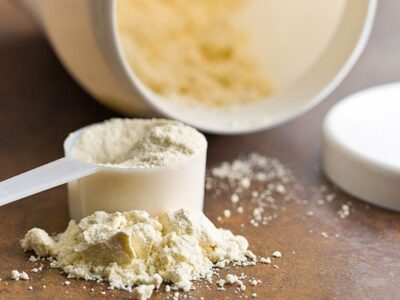
Even in the absence of dangerous contaminants, simple product quality is frequently compromised. Independent laboratory audits regularly reveal that many supplements do not contain the exact dosage of active ingredients listed on the label. In some cases, a product may contain only a fraction of the stated dose, rendering it therapeutic waste. In other cases, manufacturers engage in nitrogen spiking, a practice in protein powders where cheap, non-protein amino acids like glycine or taurine are added to a product to artificially inflate the protein content reading during standard laboratory nitrogen testing, effectively shortchanging the consumer on actual complete protein.
The Shield of Protection: What Third-Party Testing Actually Means
Given the systemic limitations of federal oversight, independent third-party testing has emerged as the definitive benchmark for supplement safety and efficacy. When a supplement company claims its products are tested, it is crucial to differentiate between internal testing and true independent third-party verification.
Internal testing is performed by the company’s own scientists in their own laboratories. While many ethical brands run legitimate internal quality controls, this practice inherently contains a conflict of interest. True third-party testing means that an completely independent, accredited laboratory with no financial stake in the success of the product has audited the manufacturing facility and chemically analyzed the final batches of the product.
Independent testing organizations evaluate products against four primary criteria:
-
Identity verification: Utilizing advanced analytical techniques like high-performance liquid chromatography and mass spectrometry to confirm that the specific plant species or chemical compound listed on the label is actually present in the bottle.
-
Potency analysis: Quantifying the exact milligrams or international units of the active ingredients to ensure the product matches the label claims from the first serving to the last drop before expiration.
-
Purity screening: Rigorously testing the material to ensure it falls well below acceptable safety thresholds for heavy metals, residual chemical solvents, pesticides, dioxins, and microbial pathogens.
-
Dissolution testing: Verifying that a capsule or tablet will physically break down properly inside the human digestive tract, ensuring the active nutrients can be released and absorbed rather than passing through the body completely intact.
Recognizing Verified Trust: The Gold Standard Seals
Consumers should look for specific, globally recognized certification seals directly on the product packaging to ensure a supplement has undergone authentic third-party validation. Three organizations are widely considered the gold standards of independent verification.
USP (United States Pharmacopeia)
The United States Pharmacopeia is a scientific, non-profit organization that sets strict, official standards for medicines, food ingredients, and dietary supplements worldwide. When a product bears the USP verified mark, it provides absolute assurance that the supplement contains the ingredients listed on the label in the correct potency, does not contain harmful levels of specified contaminants, and was manufactured under audited, clean conditions.
NSF International (National Sanitation Foundation)
NSF International conducts extensive facility audits and rigorous product testing to verify supplement contents. For athletes, the specialized NSF Certified for Sport mark is exceptionally critical. This specific certification guarantees not only that the product matches its label claims and is free of standard contaminants, but also that it has been screened for over two hundred and eighty substances banned by major global sports organizations, protecting athletes from accidental doping violations.
ConsumerLab
Unlike USP and NSF, which are typically hired by manufacturing brands to certify their products, ConsumerLab operates as an independent consumer watchdog. The organization independently purchases supplements directly from retail shelves, tests them in hidden laboratory environments, and publishes comprehensive comparative reports. Their certified seal indicates that a specific batch successfully passed their stringent, unannounced testing protocols for purity and label accuracy.
Navigating the Supplement Market with Discretion
Building a safe and effective supplement regimen requires moving past seductive marketing claims and approaching every purchase with analytical skepticism. Consumers can protect their health and financial resources by adopting a systematic evaluation framework.
First, actively avoid products that hide their ingredient dosages behind the term proprietary blend. This labeling loophole allows manufacturers to bunch multiple ingredients together under a single total milligram weight, hiding the exact amounts of individual components. Often, the most expensive, clinically backed ingredients are present only in microscopic amounts, while cheap fillers make up the bulk of the blend.
Second, request a Certificate of Analysis if a company claims to test its products but does not display a third-party seal on the box. A transparent, high-quality manufacturer will readily provide this document, which outlines the exact laboratory testing results for heavy metals and potency for that specific product batch number. If a customer service department refuses to share these laboratory readouts, it serves as a massive red flag that the product quality is unverified.
Frequently Asked Questions
Why does the FDA allow supplement companies to market products using structure-function claims without prior evaluation?
Structure-function claims describe the role of a nutrient or dietary ingredient intended to affect the normal structure or function of the human body, such as statements like supports joint health or promotes memory. The Dietary Supplement Health and Education Act of 1994 explicitly permits these claims because they do not state that the product cures, treats, diagnoses, or prevents a specific medical disease. As long as the manufacturer includes a standard disclaimer stating the product is not intended to treat disease, they are legally allowed to use this broad, suggestive language without providing pre-market clinical proof to the regulatory agency.
What exact analytical laboratory method is used to identify chemical adulteration with pharmaceutical drugs?
The primary method used by independent laboratories to detect hidden pharmaceutical agents is Liquid Chromatography-Mass Spectrometry, often abbreviated as LC-MS. This highly sophisticated technique first separates the individual chemical compounds within a supplement mixture using liquid chromatography. Then, the mass spectrometer measures the precise mass-to-charge ratio of the separated molecules, creating a unique chemical fingerprint. Scientists compare these fingerprints against vast databases of known synthetic pharmaceuticals to identify even minute amounts of illegal or undeclared drugs.
How do heavy metals like lead find their way into plant-based supplements even if the company uses organic farming practices?
Heavy metals are elemental substances that exist naturally within the Earth’s crust. Because they do not break down over time, industrial pollution, historical mining operations, and the past use of leaded gasoline have distributed these metals widely across global soils and water tables. Even if a farm uses strictly organic agricultural methods and avoids synthetic pesticides, plant roots cannot differentiate between vital minerals and toxic heavy metals. Crops like turmeric, green tea, and cacao naturally possess root structures that absorb lead and cadmium from the surrounding soil environment quite efficiently.
What is the precise difference between an ingredient that is synthetic versus one that is naturally sourced regarding bodily absorption?
From a biochemical standpoint, the human body’s cellular receptors generally identify molecules based on their exact three-dimensional geometric structure and chemical bonds, not their place of origin. For instance, synthetic ascorbic acid is chemically identical to natural vitamin C extracted from an orange, and the body absorbs both with equal efficiency. However, in naturally sourced whole foods, vitamins are frequently bound to a matrix of co-factors, bioflavonoids, and dietary fibers that can alter the overall rate of digestion and bio-availability, an advantage that isolated synthetic vitamins lacking this cellular matrix cannot replicate.
Why do some liquid or oil-based supplements require independent peroxide value testing during third-party audits?
Peroxide value testing is a critical chemical analysis used to measure the specific level of oxidative degradation or rancidity within lipid-based supplements, such as fish oils, flaxseed oil, and liquid vitamin D formulas. When unsaturated fatty acids are exposed to oxygen, light, or excessive heat during manufacturing and storage, they break down into volatile peroxides and free radicals. Consuming highly oxidized oils can drive systemic inflammation and oxidative stress in the body. A low peroxide value verifies that the product is fresh, chemically stable, and biologically intact.
Can a supplement company lose its third-party certification status after successfully earning it?
Yes, third-party certification is not a permanent status. Organizations like NSF International and USP conduct unannounced, mandatory annual or bi-annual physical audits of manufacturing facilities and routinely perform random pull-testing of certified products straight from retail shelves. If a facility allows its sanitary standards to decline, alters its raw ingredient sourcing without approval, or fails a single random batch test for potency or contamination, the certifying body will immediately suspend or revoke the certification and remove the company from its public database of verified brands.