 By Layla Isla
For thousands of years, practitioners of Traditional Chinese Medicine have utilized the human touch to balance the body’s vital energy. Known as acupressure, this non-invasive therapy relies on applying physical pressure to specific points across the body. Historically, the practice was framed around abstract concepts of life force, channels, and energetic harmony.
Today, a shift is occurring in the global health landscape. Modern wellness is increasingly grounded in evidence-based medicine, demanding clinical trials, physiological data, and measurable outcomes. Rather than discarding ancient techniques like acupressure, contemporary research is actively translating them. Neuroscientists, biomechanical experts, and clinical researchers are mapping these traditional techniques to Western anatomy, discovering that the ancient maps of energy closely mirror the body’s neural, vascular, and myofascial systems.
The Historical Foundations of Acupressure
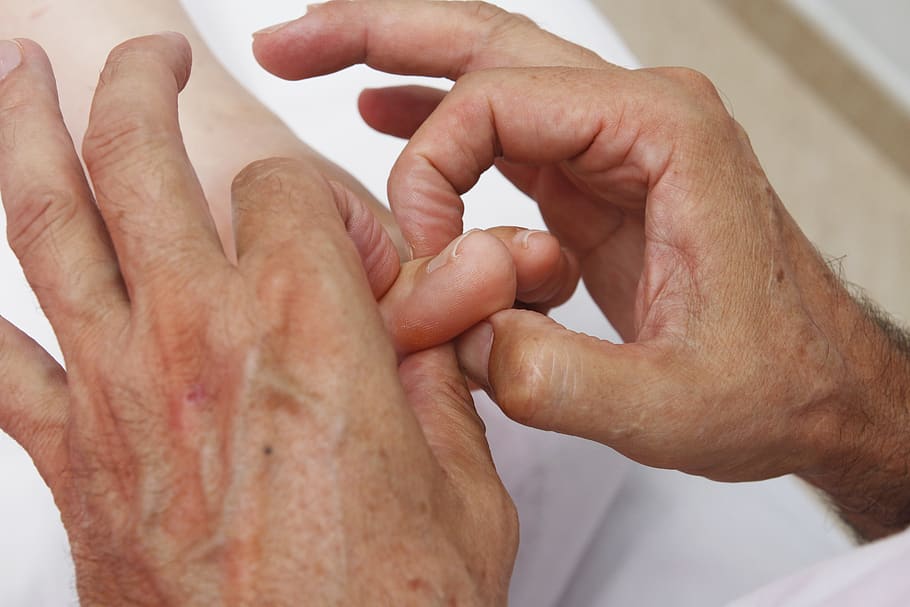
To understand how acupressure integrates into modern wellness, one must first explore its origins. Acupressure shares the same theoretical foundation as acupuncture, but substitutes metallic needles with targeted manual pressure, utilizing fingers, knuckles, thumbs, or specialized rollers.
Traditional Chinese Medicine posits that the body is threaded with an intricate network of invisible pathways called meridians. According to this framework, vital energy flows continuously through these channels to sustain life, nourish organs, and defend against illness.
When a person experiences stress, physical injury, or poor health, this flow is believed to become stagnant or blocked. The points scattered along these pathways act as biological valves. By pressing these specific zones, practitioners aim to release structural or energetic congestion, re-establishing a state of equilibrium. For centuries, this model relied on qualitative descriptions of well-being, tactile feedback from the practitioner, and empirical observation passed down through generations.
The Modern Physiological Interpretation
Modern science does not generally utilize the framework of invisible energetic channels, but it has discovered that the physical points themselves possess unique, measurable anatomical characteristics. When an acupressure point is cross-examined using modern biological imaging and histological analysis, several physical realities emerge.
The Neurological Gateway
Acupressure points are frequently located at sites with a high density of free nerve endings, nerve bundles, and neuromuscular junctions. When pressure is sustained on these areas, it stimulates mechanical receptors in the skin and muscle tissue. These receptors send rapid electrical signals up the spinal cord directly to the central nervous system, including the brain stem, hypothalamus, and limbic system.
This stimulation prompts the brain to release a cascade of biochemicals. Among the most significant are endorphins and enkephalins, which serve as the body’s natural pain relievers. By intercepting pain signals before they reach the conscious mind, manual stimulation alters the perception of physical discomfort.
Myofascial Trigger Points
Another major bridge between ancient practice and modern science is the study of fascia, the dense web of connective tissue that wraps around every muscle, bone, and organ. Researchers have noted a remarkable correlation between classical acupressure points and myofascial trigger points, which are hyper-irritable spots within taut bands of skeletal muscle.
Chronic tension can cause microscopic knots to form in these tissues, restricting localized blood flow and causing pain. Deep, focused pressure stretches these muscle fibers, breaks up micro-adhesions, and triggers localized micro-trauma. This structural reset forces the nervous system to relax the surrounding muscle fibers, providing measurable structural relief.
Cardiovascular and Circulatory Changes
When pressure is applied and subsequently released from an acupressure site, it induces a phenomenon known as reactive hyperemia. The local blood vessels briefly constrict under the force and then dilate widely once the pressure is removed. This mechanism floods the targeted tissue with fresh, oxygenated blood while flushing out accumulated metabolic waste products like lactic acid. Furthermore, research demonstrates that stimulating specific points can modulate the autonomic nervous system, shifting the body away from a stress-driven sympathetic state into a restorative parasympathetic state.
Clinical Evidence and Therapeutic Applications
The integration of acupressure into modern clinical settings is backed by an expanding body of peer-reviewed research, including randomized controlled trials and systematic reviews. Several areas of health show strong evidence for its efficacy.
Nausea and Gastrointestinal Disturbance
One of the most scientifically validated applications of acupressure involves the point known traditionally as Pericardium 6, located on the inner forearm near the wrist. Clinical studies in oncology and obstetrics demonstrate that manual stimulation of this region significantly reduces the severity of nausea and vomiting. It is frequently utilized as a complementary therapy for patients undergoing chemotherapy, individuals recovering from post-operative anesthesia, and women experiencing morning sickness. The mechanical stimulation modulates vagal nerve activity, calming the gastrointestinal tract.
Sleep Architecture and Insomnia
Insomnia and poor sleep quality represent a massive public health challenge. Clinical trials investigating acupressure for sleep disorders have focused on points located on the wrist and the foot. Objective assessments using actigraphy and sleep diaries reveal that regular self-administered acupressure increases total sleep duration and reduces nighttime awakenings. Researchers hypothesize that this outcome is driven by the up-regulation of melatonin production alongside the reduction of systemic cortisol levels, allowing the body to transition smoothly into deep sleep cycles.
Chronic Pain and Tension Headaches
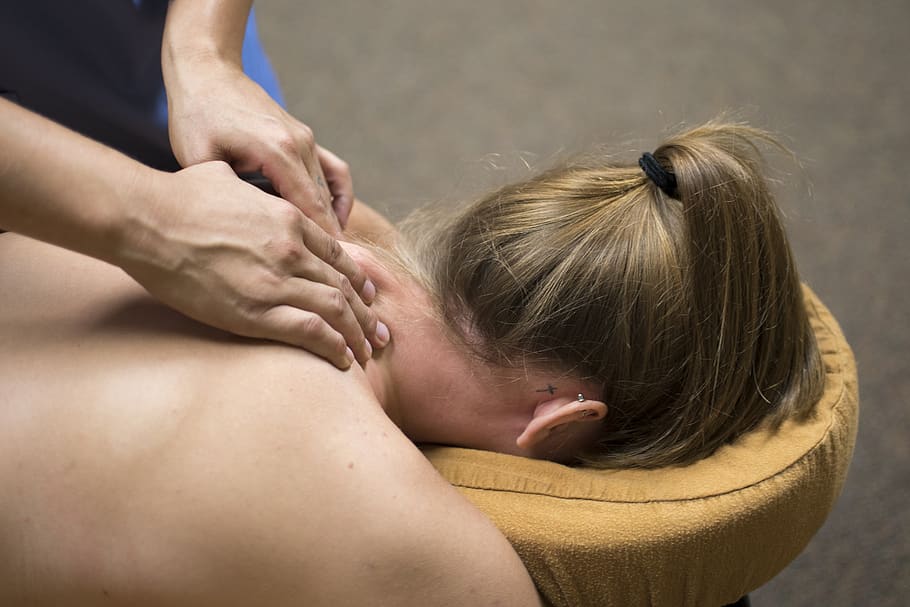
For individuals managing tension headaches, lower back pain, or osteoarthritis, acupressure serves as a valuable tool for non-pharmacological pain management. By stimulating points on the hands and neck, patients experience a reduction in both the frequency and intensity of discomfort. Brain imaging studies via functional magnetic resonance imaging reveal that pressing these points deactivates areas of the brain associated with chronic pain perception while activating the descending pain-inhibitory pathways.
Integrating Acupressure into Today’s Wellness Framework
The evolution of acupressure from an ancient art to an evidence-based modality makes it uniquely suited for contemporary self-care and preventive medicine. It addresses several limitations of modern healthcare models by offering an intervention that is highly accessible, completely free of chemical side effects, and entirely under the control of the individual.
To safely implement this practice, individuals generally follow a systematic approach:
-
Identify the target region based on clear anatomical landmarks such as bone edges, tendons, or muscle bellies.
-
Apply steady, perpendicular pressure using a thumb, finger, or blunt tool, ensuring the force is firm but not sharp or agonizing.
-
Maintain the pressure for one to three minutes while practicing slow, diaphragmatic breathing to encourage parasympathetic activation.
-
Gradually release the pressure and gently massage the surrounding tissue to encourage localized blood flow.
As integrative medicine continues to gain traction, hospitals, pain clinics, and oncology centers worldwide are training staff and patients in these techniques. By stripping away the mysticism and validating the underlying biological mechanisms, modern science has transformed a historical tradition into a legitimate tool for global health.
Frequently Asked Questions
What exact biological mechanism explains how pressing a point on the hand can relieve a headache in the front of the head?
This phenomenon is explained by the nervous system’s architecture. Stimulating a point on the hand activates large-diameter sensory nerve fibers, which send rapid signals to the spinal cord. These signals arrive faster than the slower pain signals traveling from the head, effectively closing a neural gateway in the spinal cord and blocking the brain from registering the headache pain. Additionally, this stimulation triggers a systemic release of endorphins that circulates through the bloodstream to reduce inflammation and discomfort across the entire body.
Is there any structural risk to blood vessels or nerves if too much manual pressure is applied?
Yes, inappropriate or excessive force can cause localized bruising, muscle strain, or temporary nerve irritation. Prolonged, intense pressure directly over major superficial arteries or vulnerable nerve paths should be avoided. The application of pressure should result in a dull, heavy, or aching sensation rather than sharp, shooting, or burning pain, which indicates that a nerve is being excessively compressed.
How do researchers design a reliable placebo control group when conducting clinical trials on acupressure?
Researchers utilize a method known as sham acupressure to serve as a rigorous control group. In these studies, the control group receives manual pressure that mimics the real treatment in intensity and duration, but the pressure is intentionally applied to non-therapeutic zones of the body that lack dense nerve concentrations or historical significance. This allows scientists to differentiate between the psychological benefits of human touch and the specific physiological effects of stimulating precise anatomical points.
Why does a specific acupressure point sometimes feel noticeably bruised or tender before any manual pressure is even applied?
Pre-existing tenderness in a specific anatomical zone often indicates localized myofascial ischemia, micro-inflammation, or a buildup of metabolic waste products within the muscle tissue. When a muscle group is chronically tense or overworked, the localized tissue becomes hypersensitive, causing the sensory nerves in that exact area to fire more readily even under normal daily movement.
Can acupressure completely replace conventional prescription medications for chronic conditions like high blood pressure?
No, acupressure should never be used as a standalone replacement for prescribed medical treatments for chronic or life-threatening conditions. Clinical data indicates that while it can significantly reduce stress and lower blood pressure temporarily by calming the sympathetic nervous system, it functions strictly as a supportive, complementary therapy alongside standard medical interventions, dietary changes, and pharmaceutical protocols.
Are there specific systemic medical conditions where manual pressure therapy is completely contraindicated?
Yes, acupressure is contraindicated in several scenarios. It should not be performed directly over open wounds, active skin infections, localized tumors, or deep vein thrombosis sites, as the pressure could dislodge a blood clot or worsen tissue damage. Furthermore, individuals with severe osteoporosis, advanced bone malignancies, or bleeding disorders must avoid deep pressure due to an elevated risk of bone fractures or internal bruising.