 By Layla Isla
What is Plasma Donation?
Donating plasma in San Diego provides a valuable opportunity to support local healthcare while making a significant impact on the lives of those in need. Plasma, the liquid portion of blood, plays an essential role in the body by transporting nutrients, proteins, and waste products. It is also crucial for blood clotting and immune system functions. Because of its importance, plasma is used in a variety of medical treatments, including therapies for patients with bleeding disorders, immune deficiencies, and burn recovery.
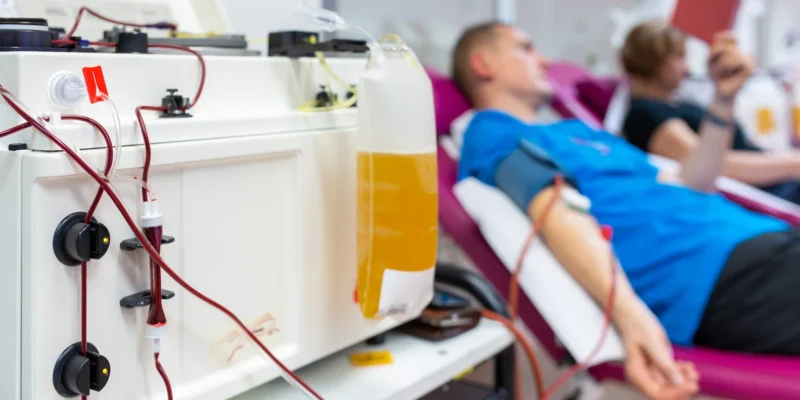
Plasma donation in San Diego is an easy and safe way for individuals to give back to their communities. The donation process involves the extraction of plasma from the bloodstream through a procedure called apheresis. During apheresis, the plasma is separated from the red blood cells, white blood cells, and platelets, which are returned to the donor. The entire procedure is closely monitored, ensuring that the donor’s health is preserved while providing a critical resource for patients in need of plasma-based treatments.
In San Diego, local plasma donation centers are dedicated to collecting high-quality plasma for those who rely on it for medical treatments. By choosing to donate, you’re not only helping people in your community but also contributing to a larger healthcare system that provides treatments to patients across the country and even globally.
Why Plasma Donation is Vital for Medical Treatments
Plasma donation in San Diego is essential for several medical conditions. Plasma-derived therapies are used to treat a wide range of disorders, including hemophilia, immune deficiencies, and burn injuries. One of the primary components found in plasma is clotting factors, which are vital for individuals with bleeding disorders. People suffering from hemophilia, for example, require regular infusions of clotting factors to prevent spontaneous bleeding episodes. For these individuals, donating plasma is more than just a gesture of goodwill; it directly contributes to their ability to live healthy lives.
In addition to treating bleeding disorders, plasma is also used to treat patients with severe burns. After a traumatic injury like a burn, plasma can help restore fluids and proteins to the body, which aids in healing and recovery. Plasma is also important in the treatment of autoimmune diseases, providing essential immunoglobulins that help boost the immune systems of individuals who have compromised defenses.
Given the diversity of medical conditions that benefit from plasma-based therapies, the need for plasma donations is always high. In San Diego, hospitals and clinics rely on local donation centers to supply them with the plasma they need to treat their patients. Without the support of plasma donors, these critical therapies would not be possible.
The Process of Donating Plasma in San Diego
Donating plasma in San Diego is a relatively straightforward and safe process that takes about 45 minutes to an hour. Plasma donation centers in San Diego follow strict safety protocols to ensure that both the donor and the patient receive the highest quality care. The process begins with registration, where the donor’s health history and vital signs are recorded.
Once registered, the donor undergoes a physical examination, which includes checking the blood pressure, temperature, and hemoglobin levels. This step is crucial to ensure that the donor is healthy enough to give plasma and that the donation will not negatively affect their well-being. If the donor is cleared for donation, the process continues with the collection of plasma.
During the donation, a needle is inserted into one of the donor’s veins, and blood is drawn into a special machine that separates the plasma from the other blood components. The plasma is collected in a sterile bag, while the red blood cells, white blood cells, and platelets are returned to the donor’s body through the same needle. This separation process is called apheresis, and it ensures that only plasma is collected while the other blood components remain in the donor’s body.
After the plasma donation, the donor is given a chance to relax and recover for a short period. Donors are encouraged to drink fluids and eat light snacks to help restore their energy. Most people experience only mild side effects, such as feeling lightheaded or tired, but these typically resolve quickly. Donating plasma is a safe procedure, and many individuals donate regularly without any adverse effects.
The Benefits of Plasma Donation in San Diego
In addition to the life-saving benefits for recipients, donating plasma in San Diego also offers personal benefits for the donor. For one, plasma donation is a generous way to contribute to your community. Knowing that your plasma is being used to help treat patients with critical medical needs can be deeply fulfilling. It’s a direct way to make a positive impact on people’s lives.
There are also health benefits associated with plasma donation. Donors must remain hydrated before and after the donation, which encourages better fluid intake and supports overall health. Regular plasma donation can also promote cardiovascular health by stimulating blood circulation. While the process is designed to be safe, many donors find that their body quickly adapts to the donation process, and they feel good about helping others.
Additionally, many plasma donation centers in San Diego offer compensation for your time and effort. While the amount varies depending on the center, donors are typically reimbursed for their contributions. This compensation serves as an incentive for those who may be looking to contribute financially while still making a positive impact on others.
For those in San Diego, plasma donation is an opportunity to support healthcare initiatives, make a tangible difference, and even receive some financial benefits in return. Whether you’re donating for the first time or are a regular donor, your contribution helps provide essential medical treatments to people in need.